Discover the History Behind Every Sacred Destination
Every temple, fort, and river ghat on this sacred journey carries a unique story, rich heritage, and profound spiritual significance. Immerse yourself in the timeless tales of devotion and architecture.
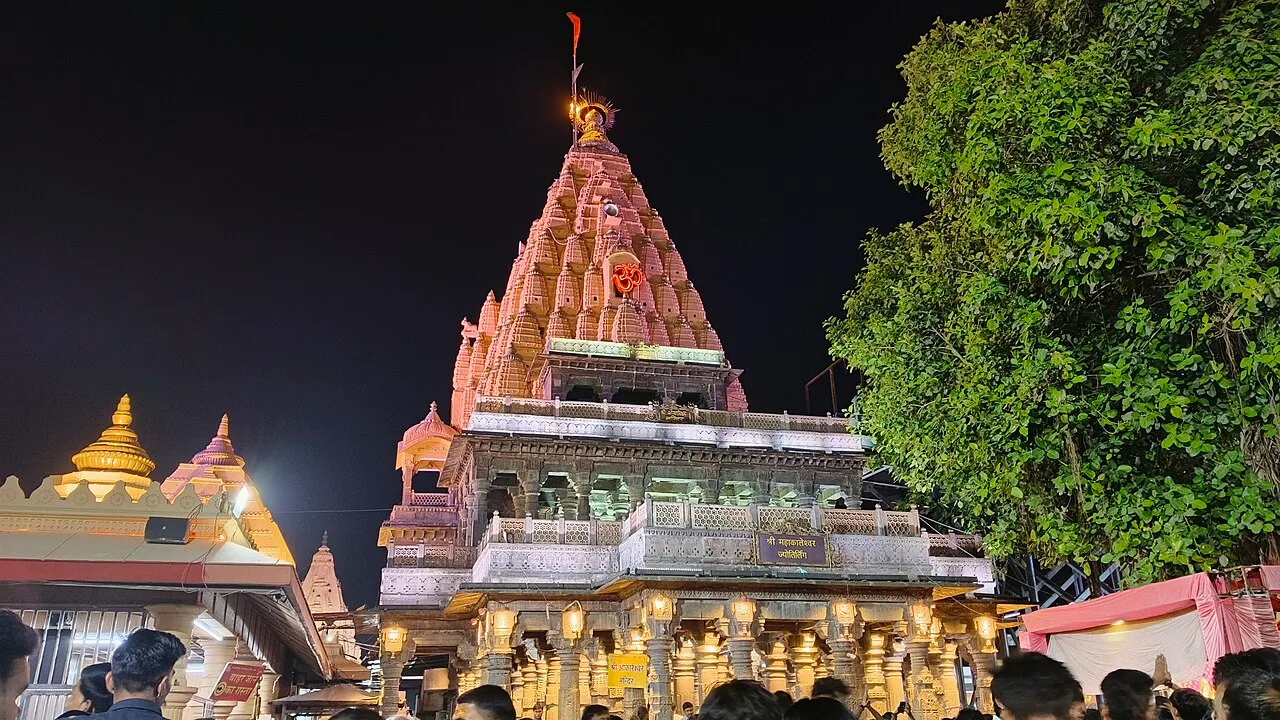
Mahakaleshwar Temple
One of the twelve Jyotirlingas, Mahakaleshwar in Ujjain is a revered sanctuary dedicated to Lord Shiva, known for its powerful spiritual aura and the unique Bhasma Aarti.
Historical Background
The Mahakaleshwar temple has a deeply rooted history in ancient texts like the Puranas. It was historically patronized by many dynasties including the Guptas, Parmars, and later entirely reconstructed by the Marathas under Ranoji Shinde in the 18th century after historical invasions. It has stood as a central pillar of Sanatana Dharma for millennia.
Mythology & Beliefs
According to the Shiva Purana, Lord Shiva appeared here in his Mahakal form to rescue his devotees from a demon named Dushana. He defeated the demon and agreed to reside in the city eternally as a Jyotirlinga, protecting his followers from untimely death and spiritual ignorance.
Architecture
The present five-storied structure showcases beautiful Maratha, Bhumija, and Chalukyan architectural styles. The temple's towering shikhara (spire) features intricate sculptural work. Notably, the idol of Mahakaleshwar is Dakshinamurti, meaning it uniquely faces the south, a feature found only in this Jyotirlinga.
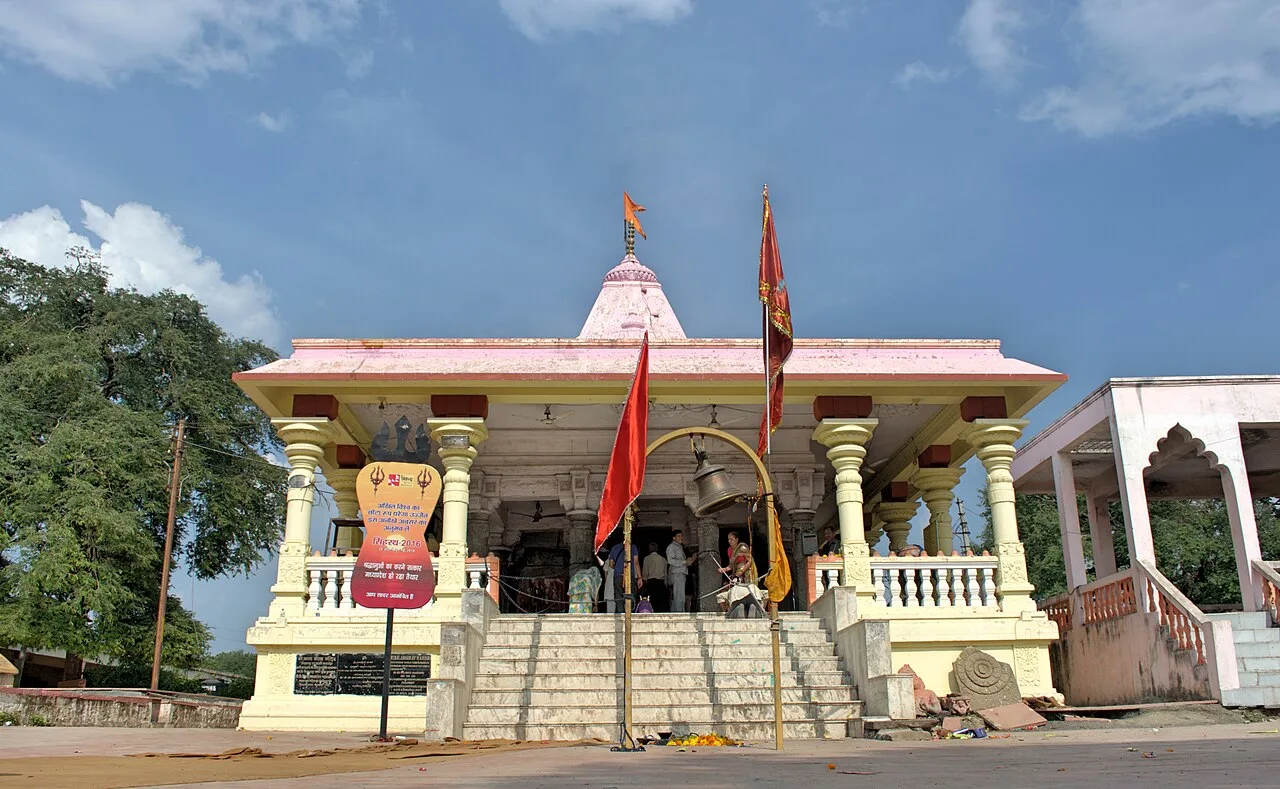
Kal Bhairav Temple
Located on the banks of the Shipra River, the Kal Bhairav Temple is a prominent center for the Shaivite sect, famous for the unique offering of liquor to the deity.
Historical Background
The original temple is believed to have been built by King Bhadrasen. The current Maratha-style structure was built over the remains of an older temple. Kal Bhairav has always been central to the Aghora and Kapalika sects of Shaivism who practiced esoteric rituals.
Mythology & Beliefs
Kal Bhairav is the fierce manifestation of Lord Shiva, associated with annihilation and the protection of the city. According to local belief, Kal Bhairav is the guardian deity of Ujjain, and it is traditionally required to offer him prayers when visiting the city.
Architecture
The temple's architecture is a testament to the Maratha influence in Ujjain. The central sanctum houses a striking stone idol of Kal Bhairav covered in vermilion (sindoor) with a silver face. The temple courtyard displays ancient intricate carvings.
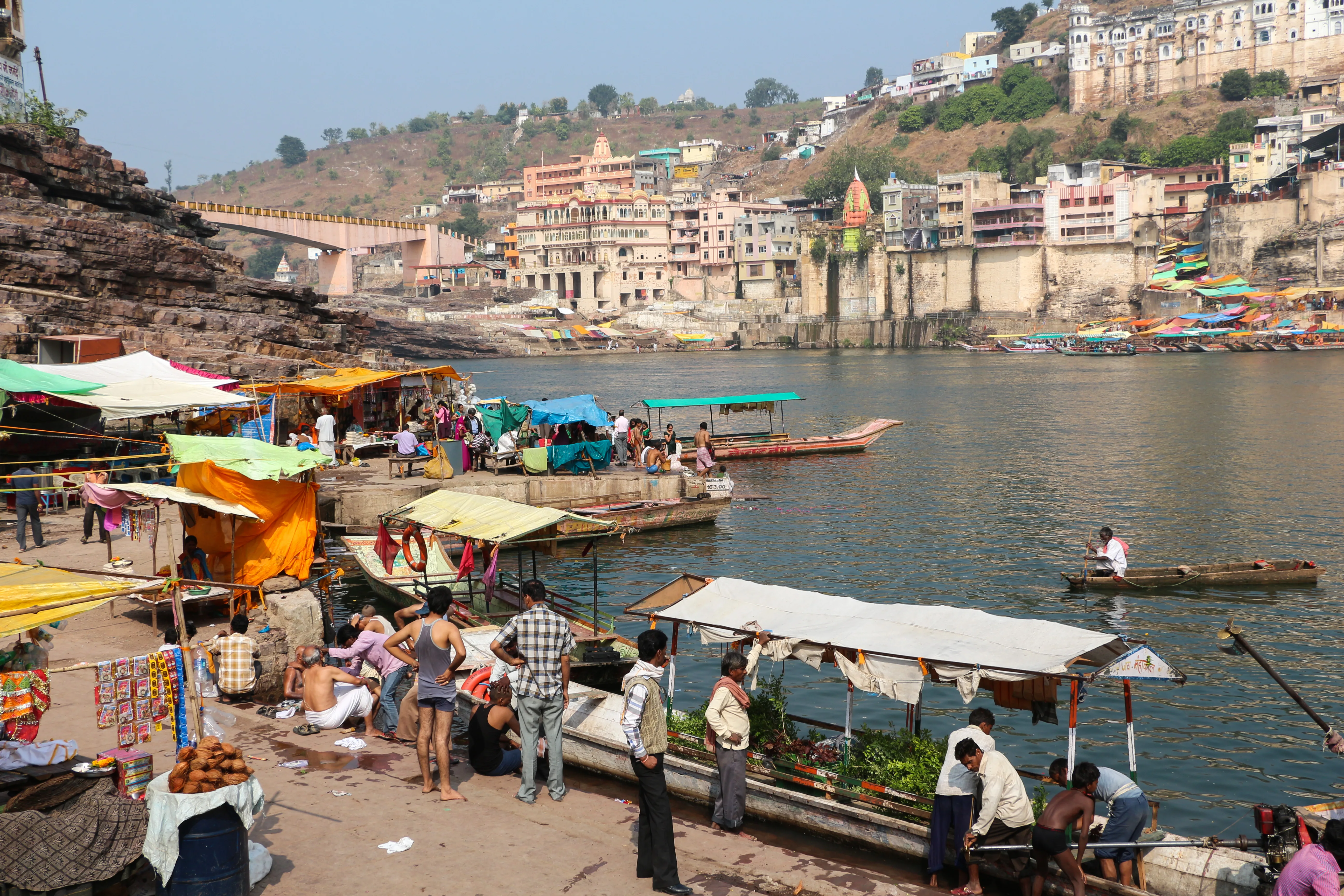
Omkareshwar Temple
Set on the sacred Om-shaped Mandhata island in the Narmada River, Omkareshwar is a serene and magnificent Jyotirlinga that draws millions of pilgrims every year.
Historical Background
The region has witnessed the rule of several grand empires including the Paramaras and the Holkars. Queen Ahilyabai Holkar made significant contributions to the temple's preservation and the construction of the ghats during the 18th century.
Mythology & Beliefs
Legends say that the Vindhya mountain prayed to Lord Shiva here to absolve himself of his sins. Pleased with his devotion, Shiva appeared and split the lingam into two parts—one half is Omkareshwar (Lord of Omkara) and the other is Mamleshwar (Amaleshwar).
Architecture
Built in the traditional North Indian Nagara style, the temple features beautifully carved pillars, a massive shikara, and extensive murals. The multi-storied temple complex clings to the edge of the island cliff, offering breathtaking views of the Narmada River.
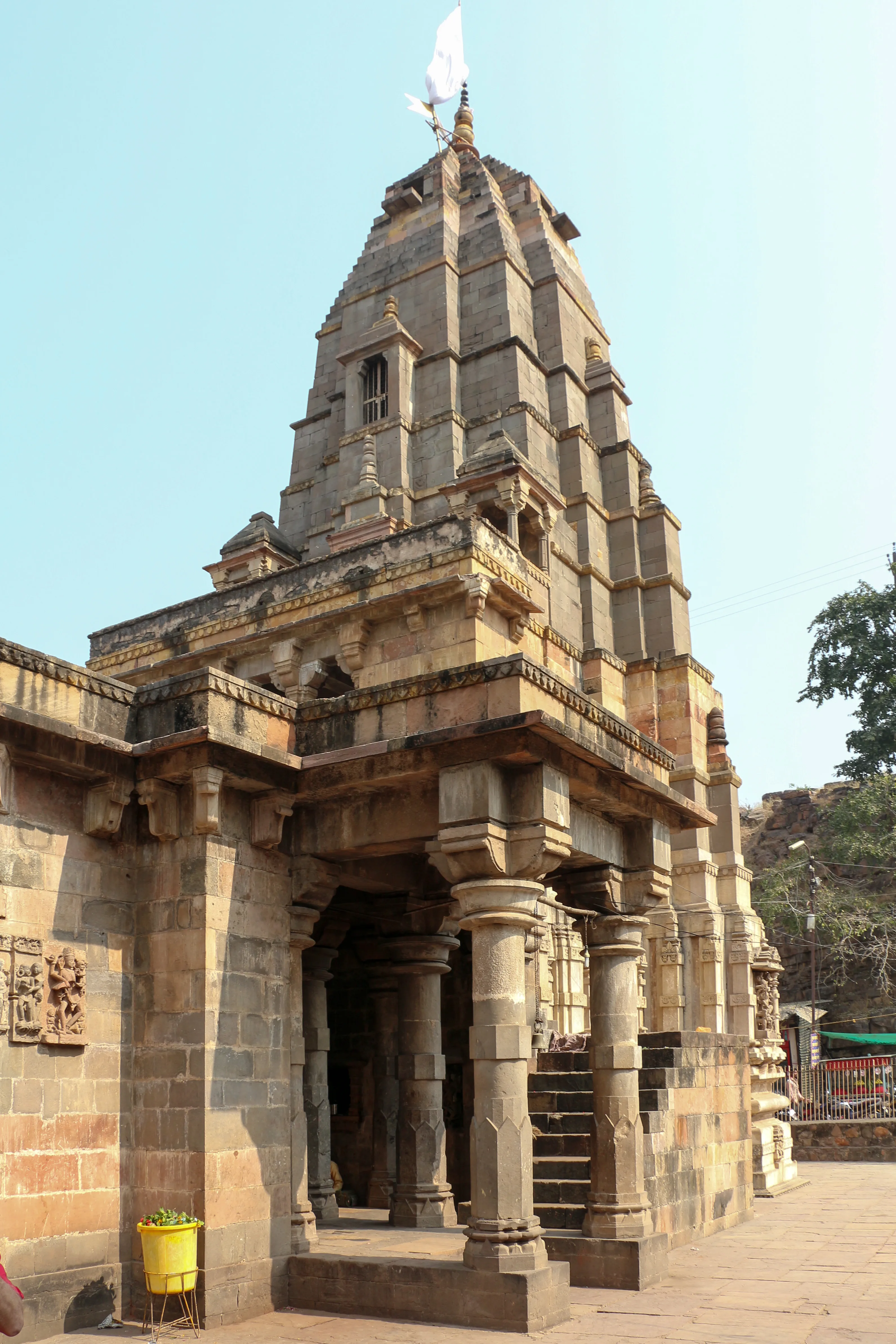
Mamleshwar Temple
Located on the southern bank of the Narmada River, Mamleshwar is the spiritual twin of Omkareshwar, holding equal status as half of the fourth Jyotirlinga.
Historical Background
Also known as Amareshwar, this ancient temple is a protected monument by the Archaeological Survey of India (ASI). Historical records from the 11th-century Paramara dynasty feature inscriptions praising the glory of this temple.
Mythology & Beliefs
It is firmly believed that a pilgrimage to Omkareshwar is incomplete without visiting the Mamleshwar temple. According to the Shiva Purana, the spiritual essence of the Jyotirlinga is equally distributed between the two temples.
Architecture
The temple reflects the intricate Bhumija style of architecture, characteristic of the Paramara period. Its stone walls are adorned with beautiful carvings of deities, floral motifs, and ancient Sanskrit inscriptions.
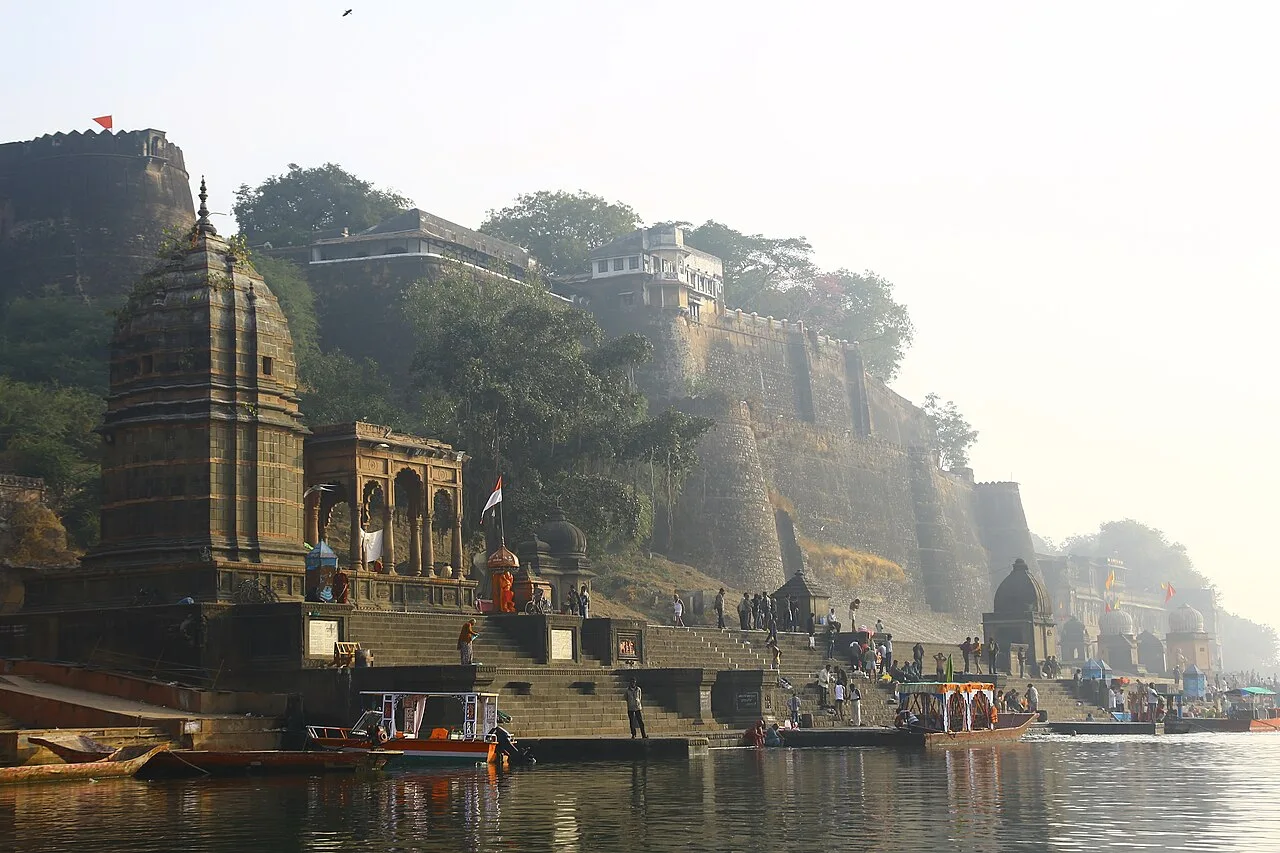
Maheshwar Fort
Rising majestically over the Narmada River, Maheshwar Fort is a stunning blend of history, architecture, and spirituality, deeply associated with Queen Ahilyabai Holkar.
Historical Background
Maheshwar was the glorious capital of the Malwa during the Maratha Holkar reign in the late 18th century. Rajmata Ahilyabai Holkar governed her kingdom from this fort, building numerous temples, ghats, and establishing a flourishing handloom weaving industry (Maheshwari sarees) that survives to this day.
Mythology & Beliefs
Mentioned as 'Mahishmati' in the epics Ramayana and Mahabharata, Maheshwar has always been a city of immense spiritual prominence. Legend has it that King Sahasrarjun, who had a thousand arms, once stopped the flow of the Narmada river here.
Architecture
The 18th-century fort features robust walls and exquisite balconies reflecting Maratha and Rajput architectural brilliance. Inside, the Ahilya Bai Temple and her personal chhatri (cenotaph) stand as masterpieces of delicate stone carving.
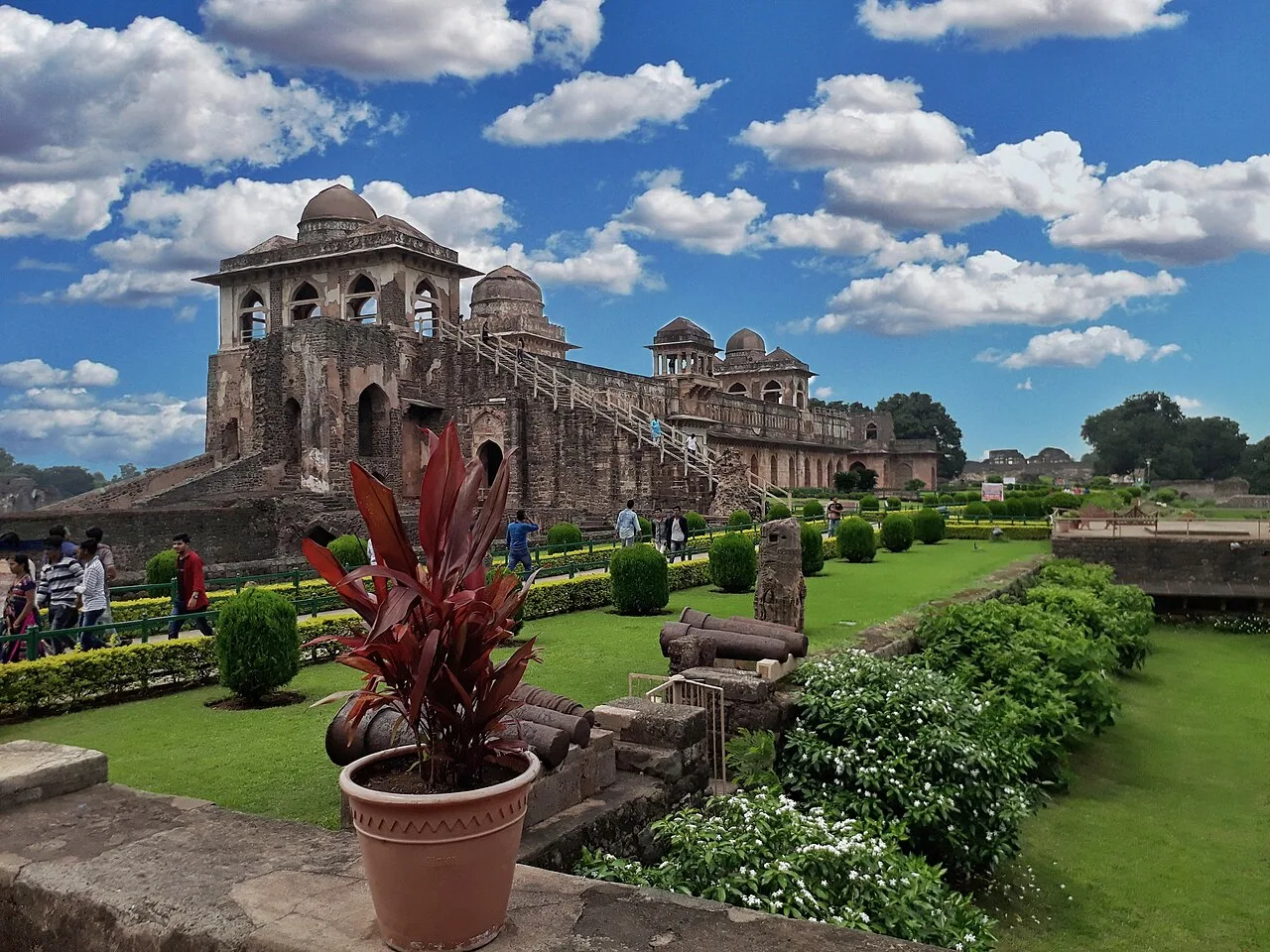
Mandu Fort
An ancient fortress city renowned for its Afghan architecture, Mandu stands as a grand testament to the romance between Prince Baz Bahadur and Rani Roopmati.
Historical Background
Mandu flourished in the 15th and 16th centuries under the Paramara kings and later the Sultans of Malwa. It became a sprawling fort city adorned with palaces, mosques, and lakes. It was historically named 'Shadiabad' (The City of Joy) by Emperor Alauddin Khalji.
Mythology & Beliefs
While Mandu is mostly historical, local folklore is deeply intertwined with the romantic legend of Baz Bahadur, the last independent ruler of Mandu, and his beautiful Hindu consort, Roopmati. It is said she would only eat after viewing the Narmada river, prompting the construction of the Roopmati Pavilion.
Architecture
Mandu boasts India's finest Afghan architecture. Key monuments include the massive Jama Masjid, the marble tomb of Hoshang Shah (which inspired the Taj Mahal), the Jahaz Mahal (Ship Palace) floating between two lakes, and the Hindola Mahal.
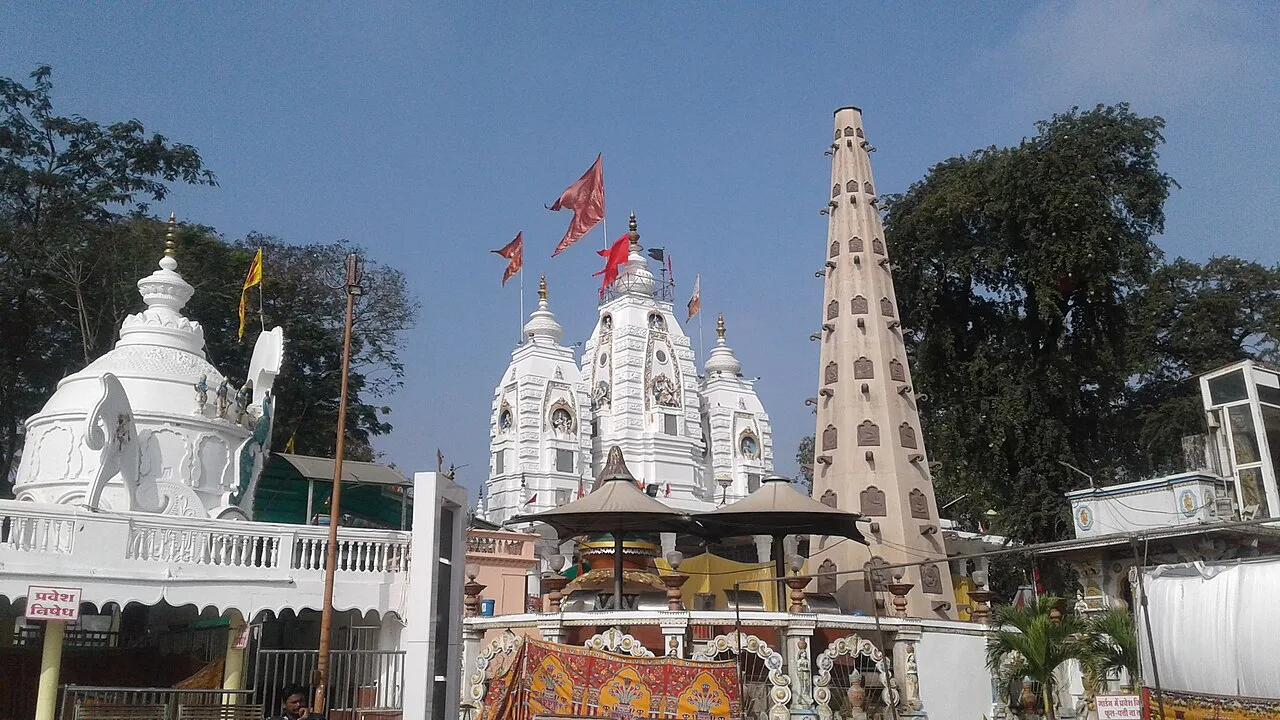
Khajrana Ganesh Temple
One of the most revered and visited temples in Indore, Khajrana Ganesh is a center of deep faith where devotees come to seek blessings for prosperity and success.
Historical Background
The temple was built by the great Maratha Queen Ahilyabai Holkar in the year 1735. According to historical records, the idol of Lord Ganesha was originally hidden in a well to protect it from Aurangzeb's iconoclastic invasions, before being retrieved and enshrined by the Queen.
Mythology & Beliefs
Local belief holds that a local priest, Pandit Mangal Bhatt, had a dream wherein Lord Ganesha instructed him to excavate the idol from a specific well. The Holkar queen funded the excavation and constructed the temple. Today, it is firmly believed that any wish made here (mannat) is fulfilled by the deity.
Architecture
The temple has evolved into a vast complex over the centuries. The main idol consists of a large, beautiful vermilion-coated murti of Lord Ganesha with silver eyes. The sprawling courtyard houses numerous smaller shrines dedicated to other Hindu deities.